
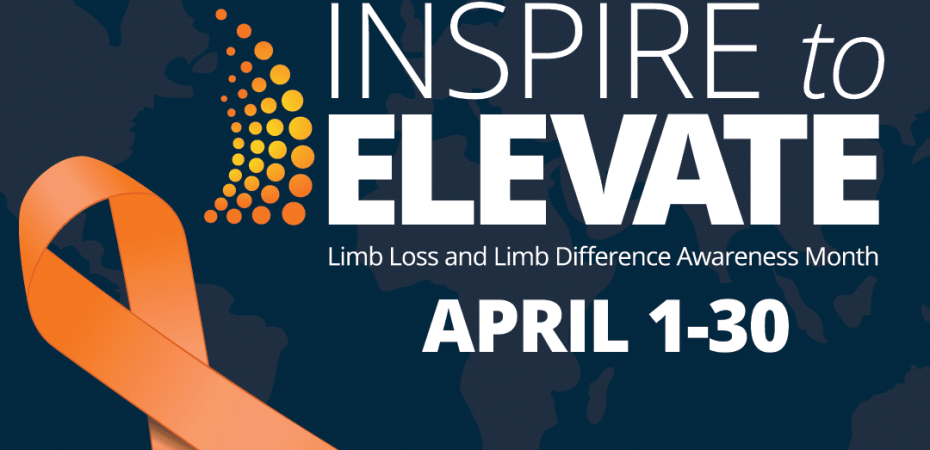
Honestly, before I became an amputee last year, I’d never heard of Limb Loss and Limb Difference Awareness Month (LLLDAM).
And that’s surprising, since
- there are over 2.7 million people who live with limb loss or limb difference in the in the US alone.
- 500+ people undergo amputations every single day.
LLLDAM started in 2011 when the Amputee Coalition launched a national campaign to raise awareness about limb loss and the issues faced by amputees. The campaign was so successful that it was officially recognized by the US Senate in 2012, and April was declared Limb Loss and Limb Difference Awareness Month.
LLLDAM is a time when people come together to raise awareness about the challenges faced by individuals who have experienced limb loss or limb differences.
During LLLDAM, people are encouraged to learn more about the challenges faced by amputees and to show their support for individuals who have experienced limb loss or limb differences.
Here are some ways you can be supportive of the Limb Loss and Limb Difference Community:
Educate yourself about limb loss and limb differences
Learn about the causes of limb loss, the many types of prosthetic devices available, and the challenges faced by amputees in everyday life. You can start with these PSAs and this article on how to support someone who’s experienced limb loss.
Share information on limb loss and limb difference awareness
Share information about Limb Loss and Limb Difference Awareness Month on social media and with your friends and family. Information sharing helps to raise awareness and promote understanding. Here’s a link to a helpful communications toolkit provided by the Amputee Coalition that includes images and language: http://www.amputee-coalition.org/events-programs/limb-loss-awareness-month/llldam-communications-toolkit/
Get involved
Attend events in your community that support individuals with limb loss or limb differences, such as the Advocacy Forum events hosted by Amputee Coalition. You can also volunteer your time or donate to organizations that support amputees – like the American Bionics Project or Hope to Walk.
Be inclusive
Treat individuals with limb loss or limb differences with respect and understanding – just like you like to be treated. Avoid making assumptions and feel free to ask (respectful) questions!
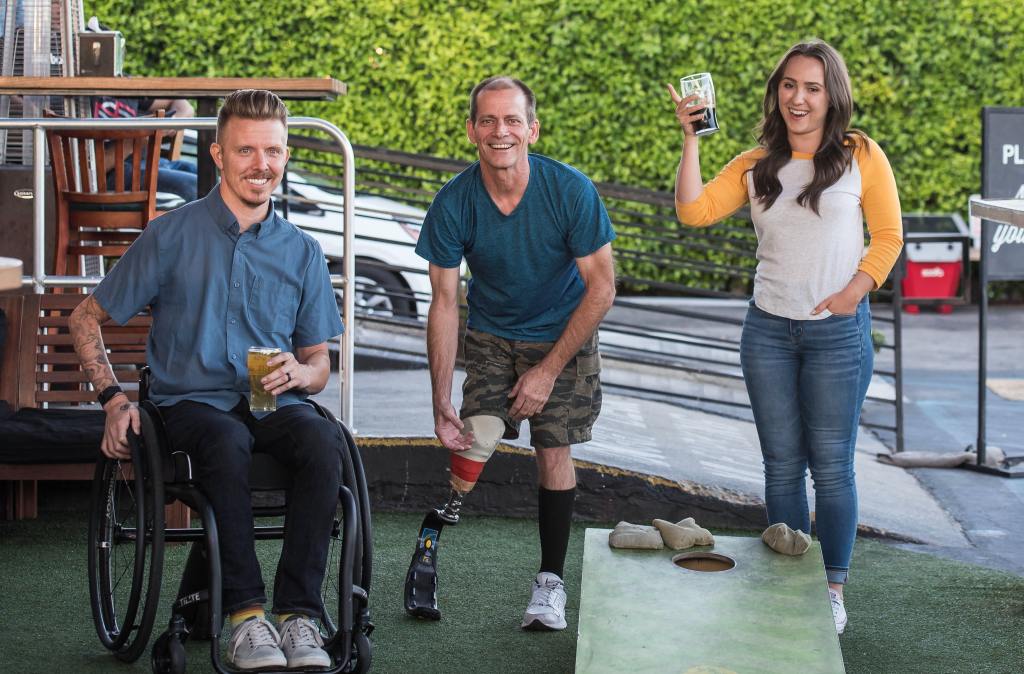
Image: A group of three people – including one in a wheel chair and one with a prosthesis – hanging out and having fun. Photo by ELEVATE/pexels.com
It does not take a lot of effort to show your support for individuals with limb loss or limb differences, so we hope you’ll join us raise awareness to the need for improved access to prosthetic devices, rehabilitation services, and other resources that can help individuals with limb loss and limb difference gain (or regain) mobility and independence!
 Up Down Walk with Lisa