
Yes!
The Unexpected Joy of LEGO Representation
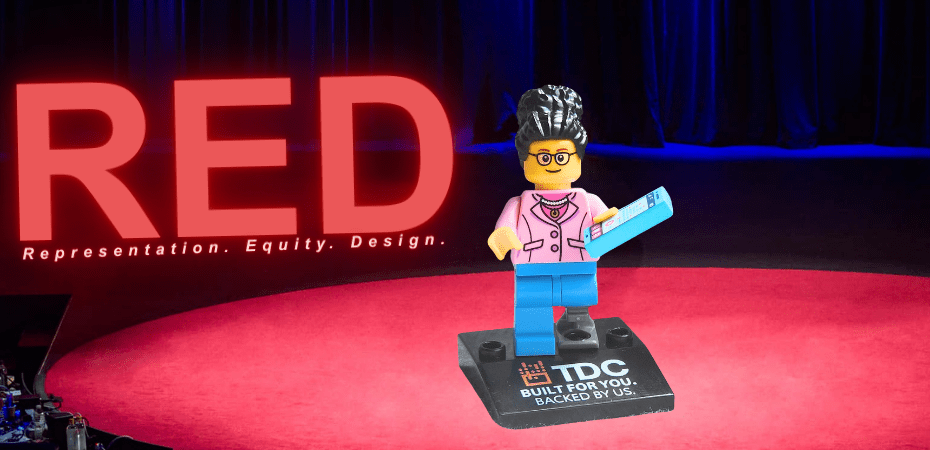
I just got back from a company offsite where something really awesome happened. One of the activities involved creating mini LEGO versions of ourselves—because nothing says team bonding like tiny plastic avatars. (The company recently started using the LEGO people at conference booths—something fun to build while chatting, and a cool little keepsake with the company logo.)
And here’s the best part: there were LEGO legs with prosthetics. I mean, legit little prosthetic limbs. I’d joked about my leg to the marketing director a few (or so) times (I’m pretty sure she checked to make sure I wasn’t kidding because we hadn’t met in person)—and she went ahead and ordered prosthetic pieces just in case someone like me showed up. Let me tell you: I felt seen. That’s inclusion. Not a big announcement. Not a fuss. Just a quiet, intentional effort to make sure no one’s left out of the fun.
The Reality of “Accessible” Accommodations
Now contrast that with the hotel “accessibility” options I was given:
- A shower with a lip and zero grab bars
- Or a bathtub with (you guessed it) no grab bars
Super accessible, right? It was fun trying to decide which could be worse: a bathtub fall or a shower faceplant.
The room did have nice wide doorways, which worked for my wheelchair—because yes, I brought it. Some of these airports are no joke, and my prosthetic leg + mega distances = no thanks.
What DEI Is Supposed to Be
We throw around DEI (Diversity, Equity, and Inclusion) like it’s a buzzword, but real inclusion isn’t just policies and statements—it’s thoughtful actions. DEI often checks the usual boxes, but it’s meant to include people with disabilities too—veterans and non-veterans alike. People with disabilities shouldn’t be left out, no matter the background.
The ADA exists, sure, but enforcement? Spotty at best. A 2022 review found that over 60% of hotel websites didn’t even include clear or accurate accessibility info—which honestly tracks. I’d called ahead to ask about grab bars, and the front desk person said, “All our rooms are accessible—we have showers.” Then she added that the grab bars were there… just on the opposite sides of the tub and shower. So, yeah. Sometimes you’re just left choosing between bad and worse—like whether you’d rather risk falling in a tub or in a shower. Inclusive, right?
Stop Assuming. Start Asking.
One of the most basic parts of inclusion? Ask—don’t assume. Like at the airport, when someone at the check-in counter upgraded my ticket and thanked me for my service. I’m not a vet. She didn’t ask. Just assumed. At another airport, a flight assistant brought an aisle chair down the jetbridge to help—then looked irritated when I stood up and didn’t need it. Again, no one asked.
People with disabilities—vets and non-vets alike—get assumptions thrown at them constantly. And while the intention might be good, real inclusion means seeing the person in front of you, not the story you’ve made up about them. One of the themes at the offsite was actually this exact idea: Don’t make assumptions. Ask. Simple, right?
Why Kids Get It Right
Kids seem to get this instinctively. They see my leg and ask.
“What happened to your leg?”
“Are you a robot?”
“Does that hurt?”
Straightforward, honest, not overthinking it—kids keep it simple. No assumptions—just curiosity. If more adults were that open and direct, these conversations wouldn’t feel so heavy. And I wouldn’t be texting, “You will not believe this!” five minutes later. Easier all around, right?
Final Thoughts: Inclusion Doesn’t Have to Be Complicated
So what have we learned today, class?
Ask instead of assuming. Build your LEGO people with intention. And maybe—just maybe—think about whether your “accessible” hotel room is actually safe for the people who need it.
Inclusion matters. Representation matters. And honestly? It’s not that hard. Just think beyond your own experience and make a little room at the table. Or at the LEGO station.
 Up Down Walk with Lisa